

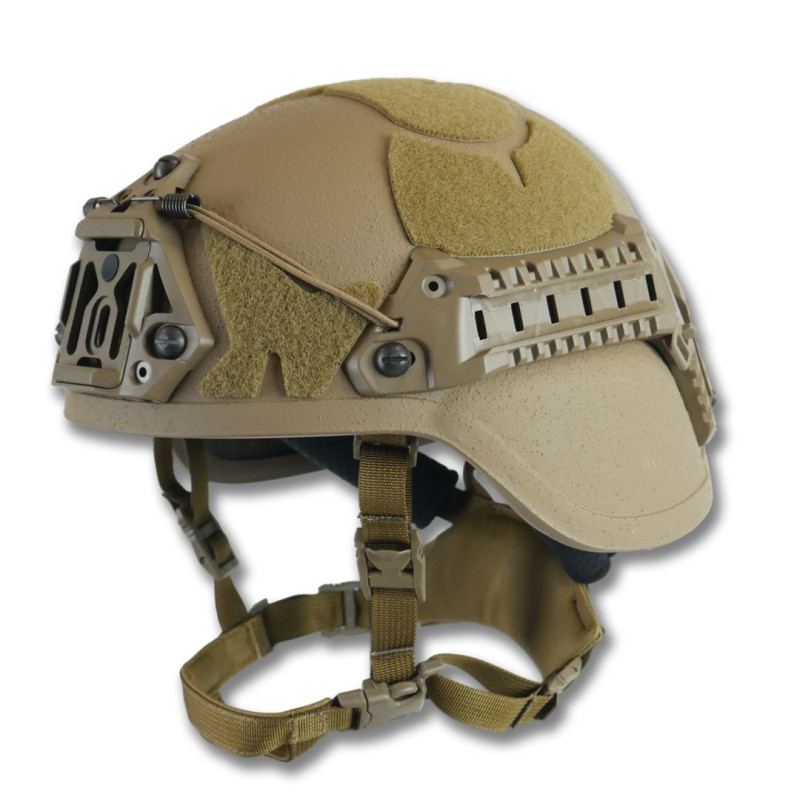
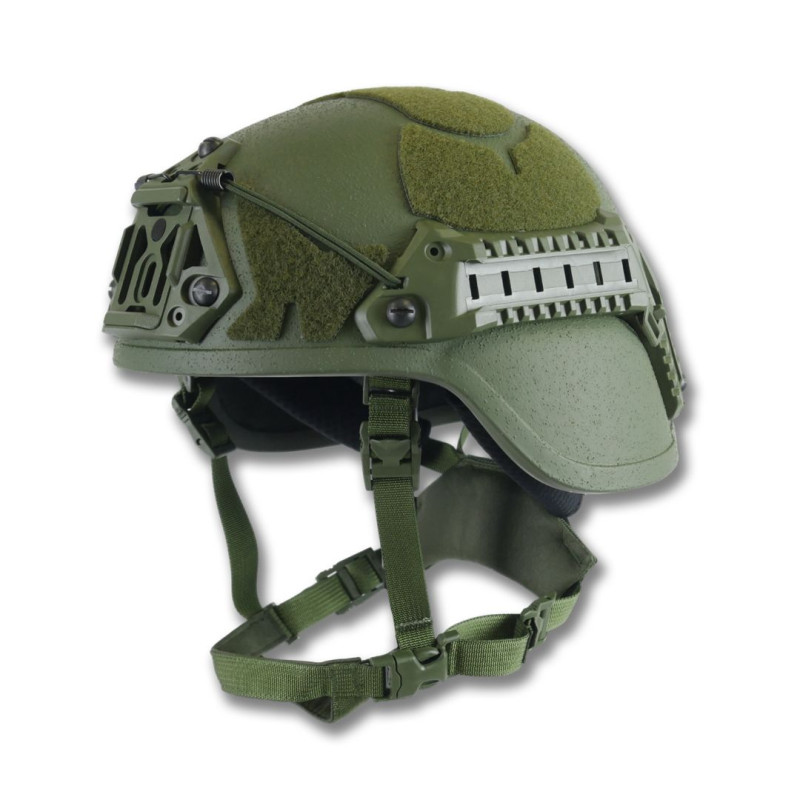
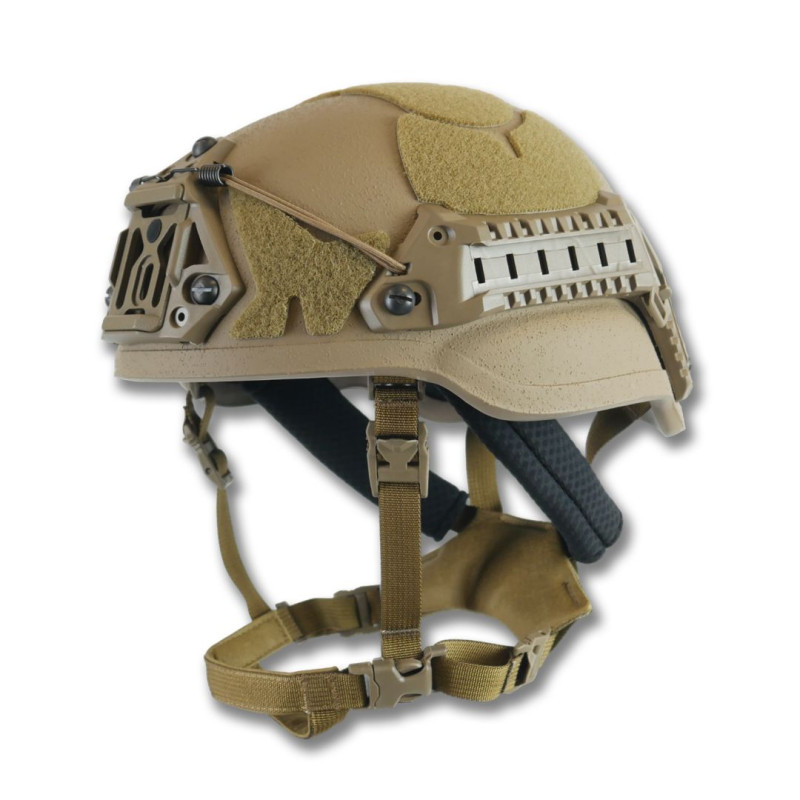
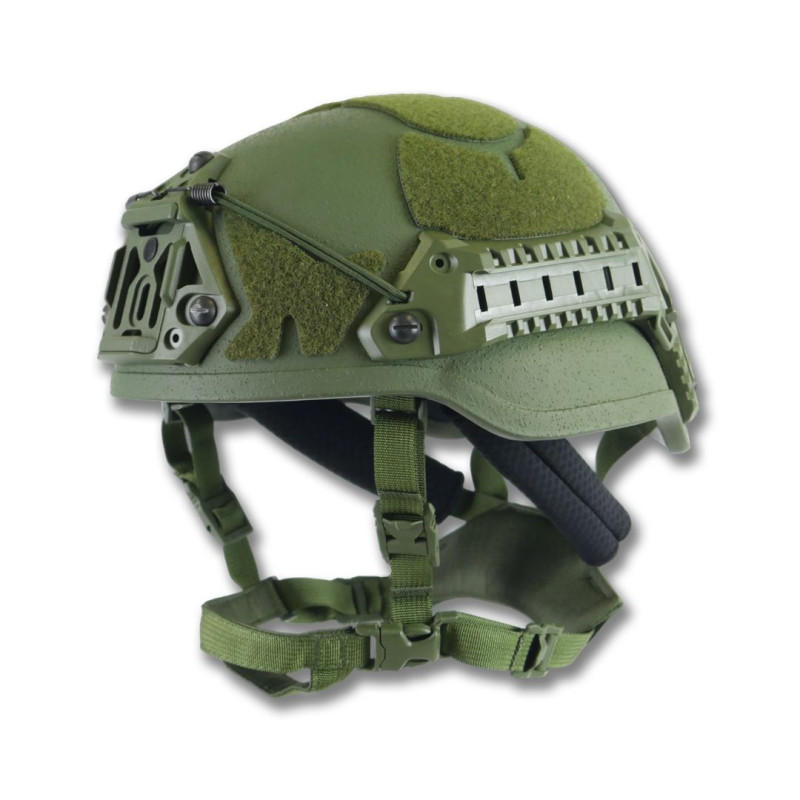

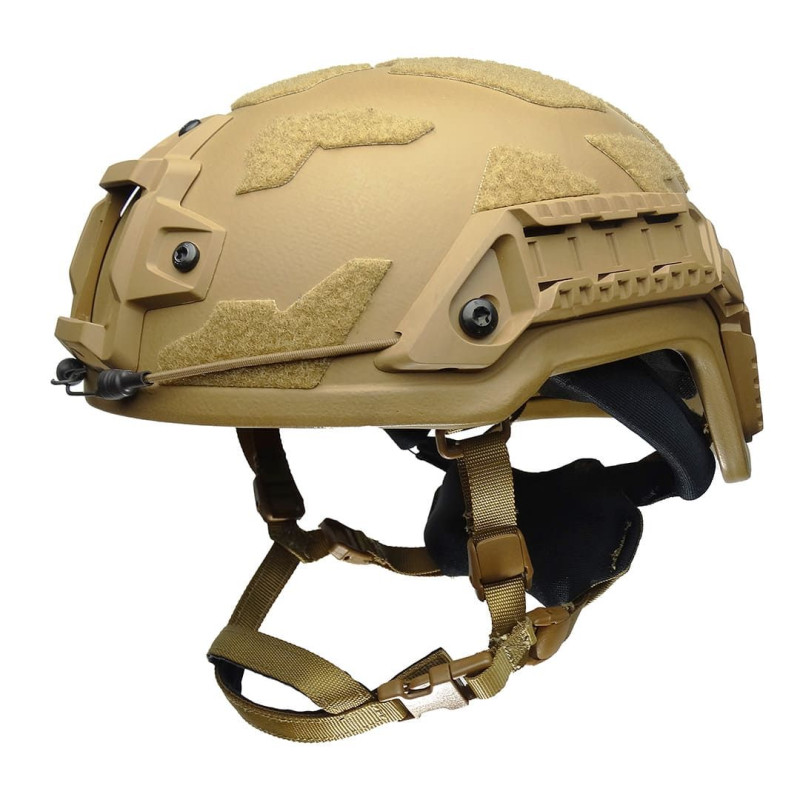
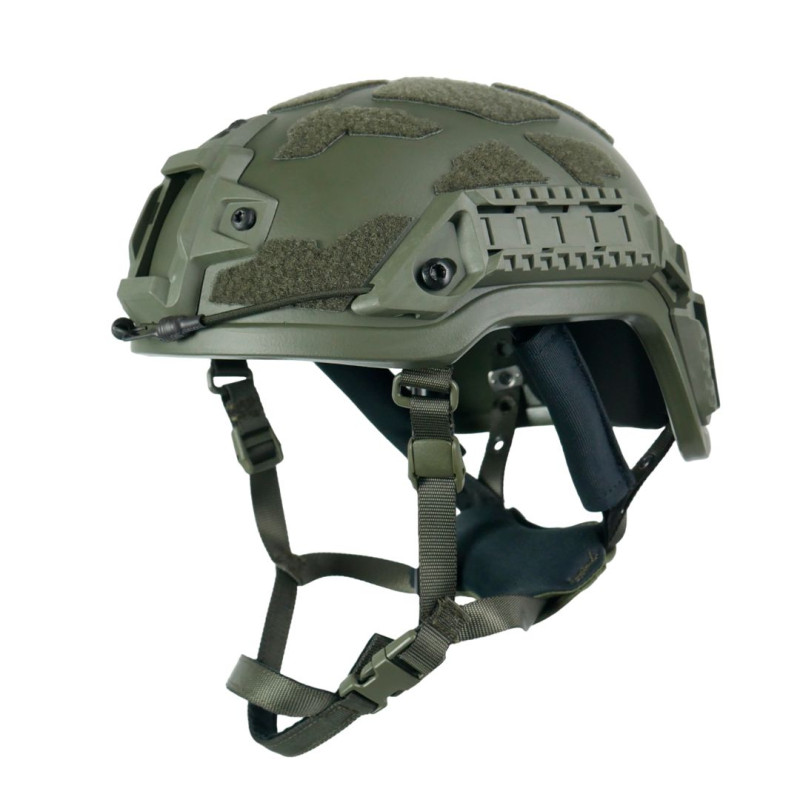
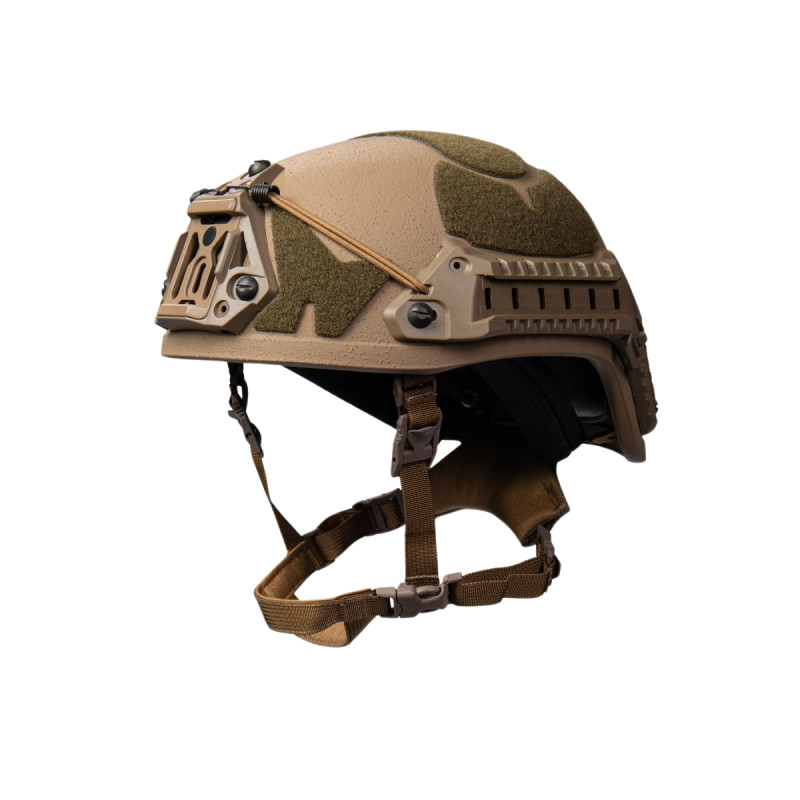
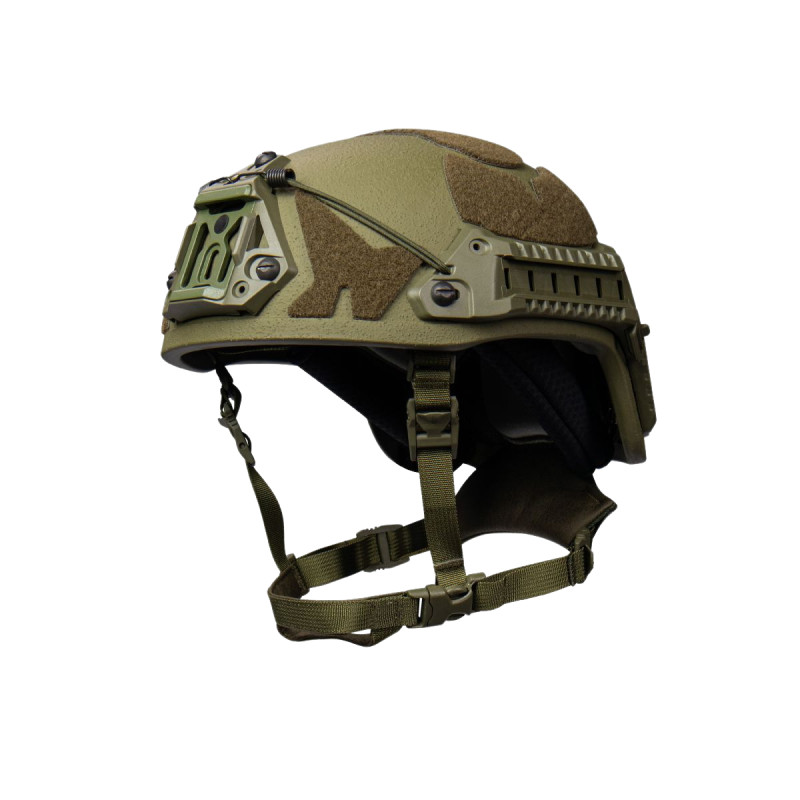
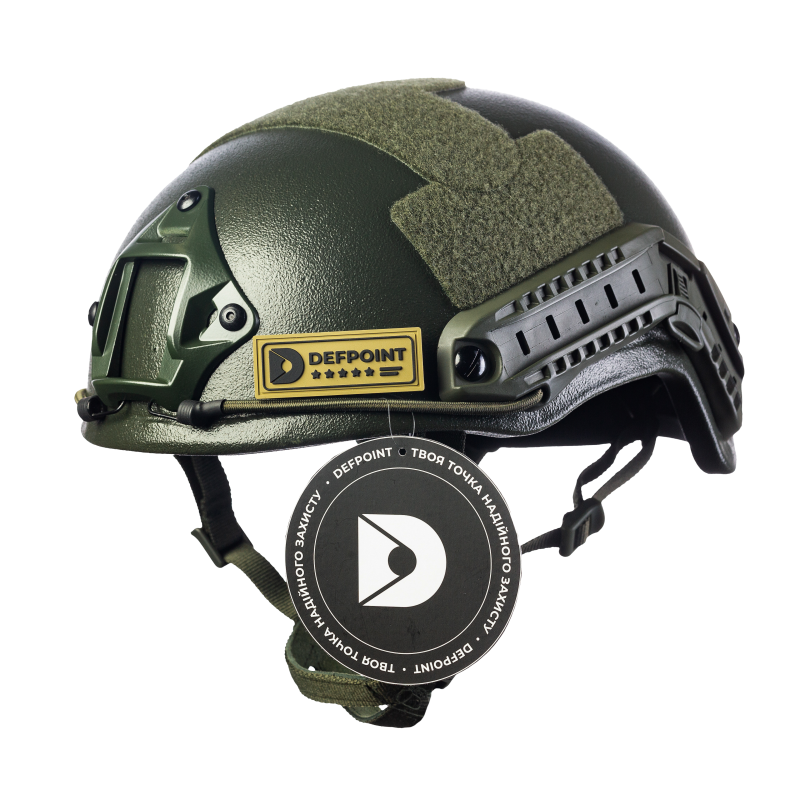
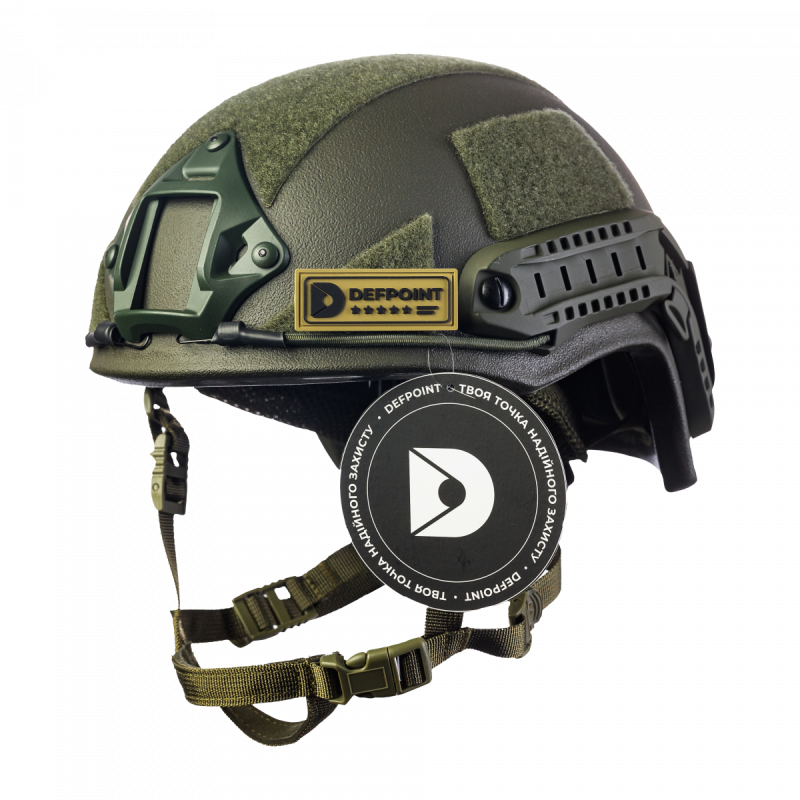
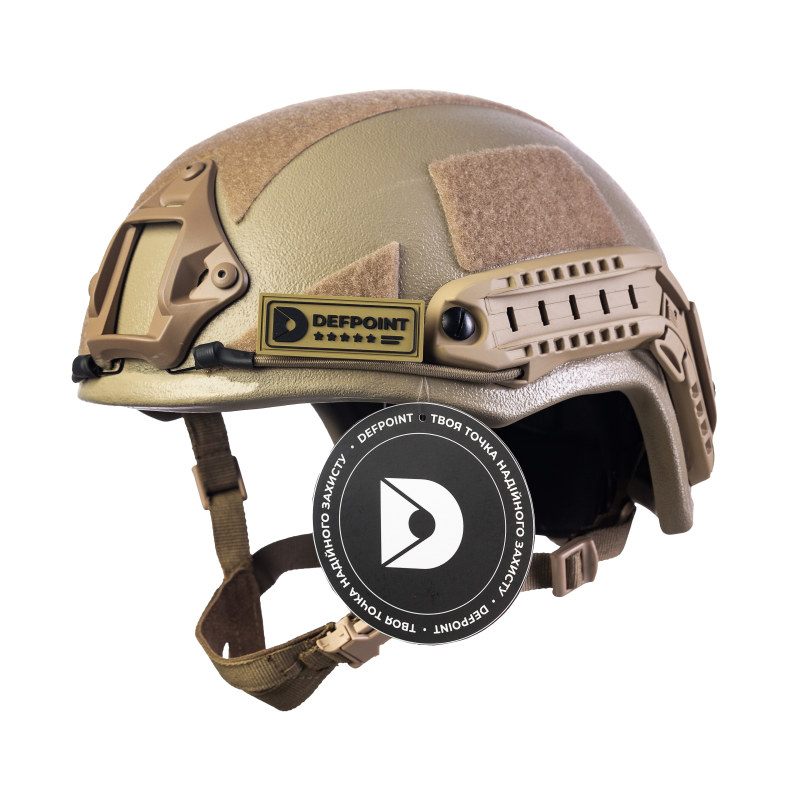
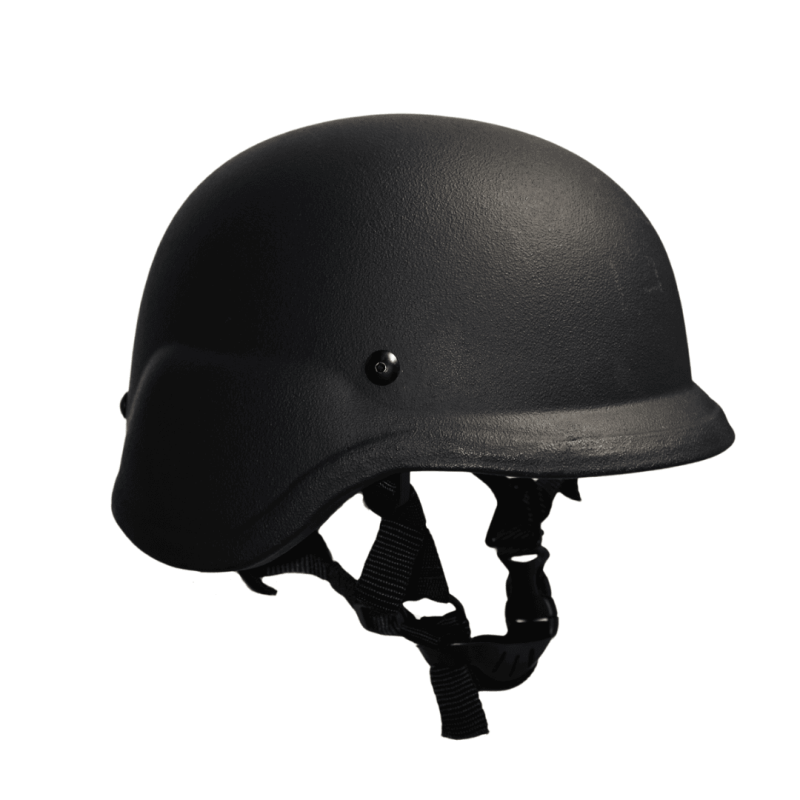
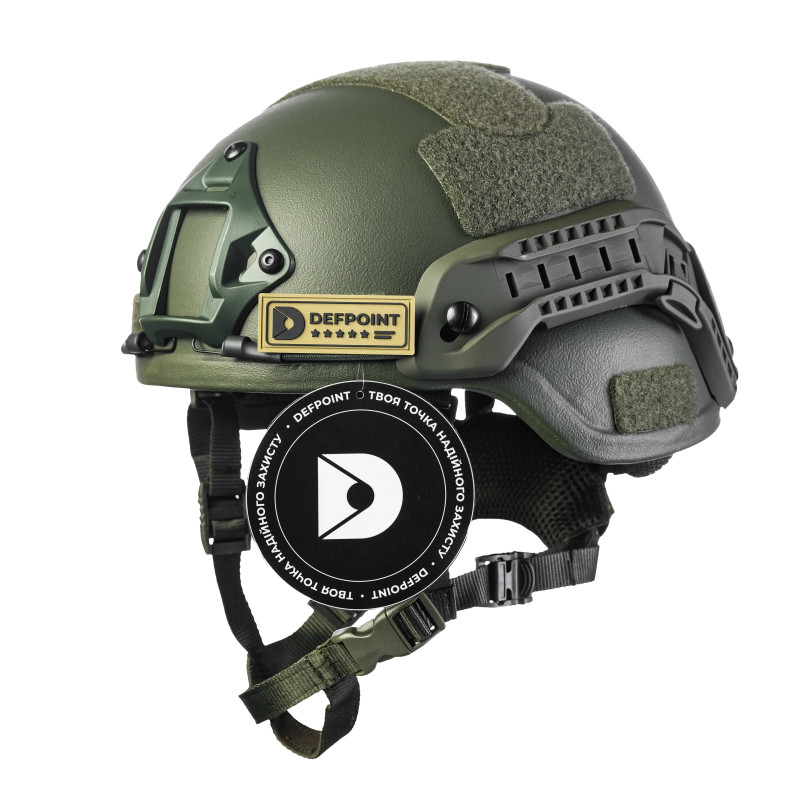
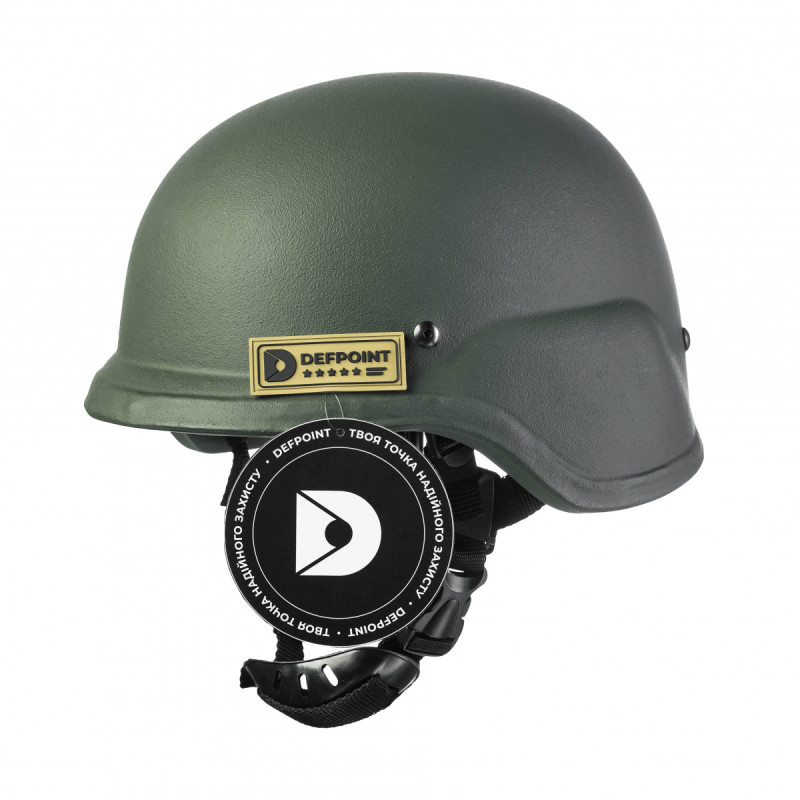
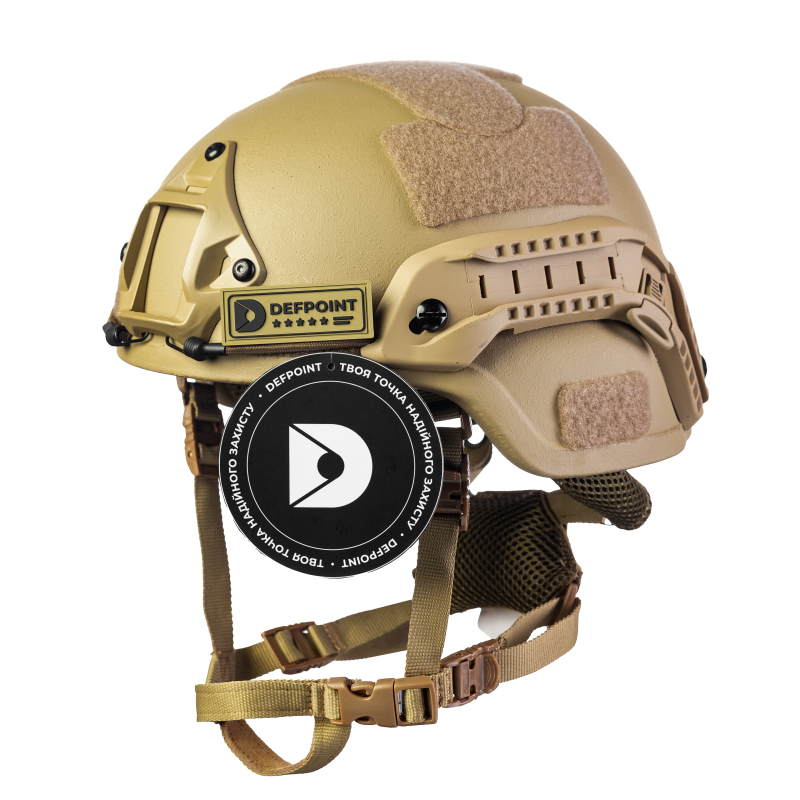
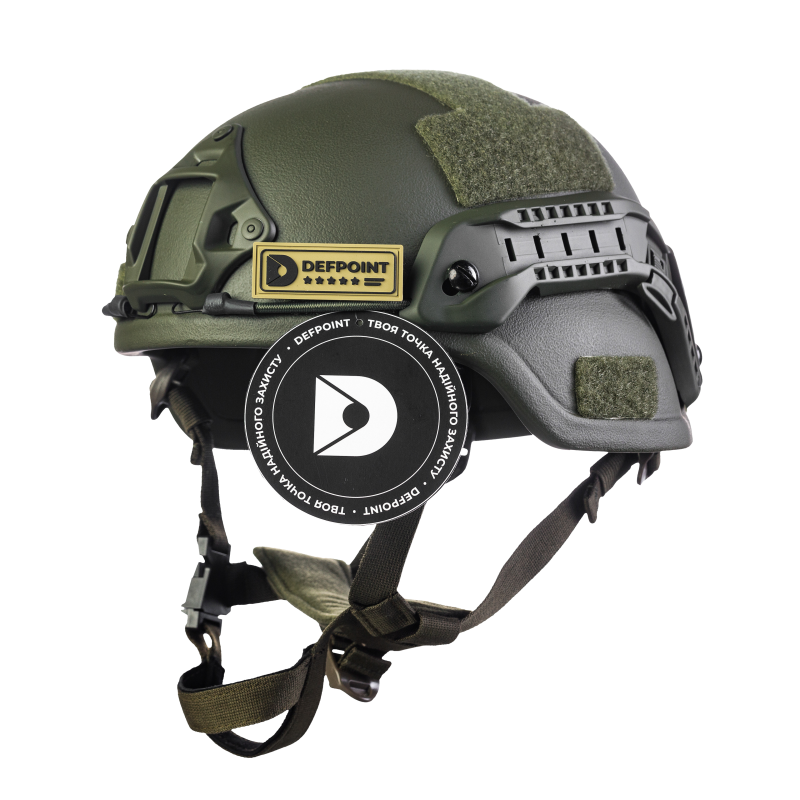
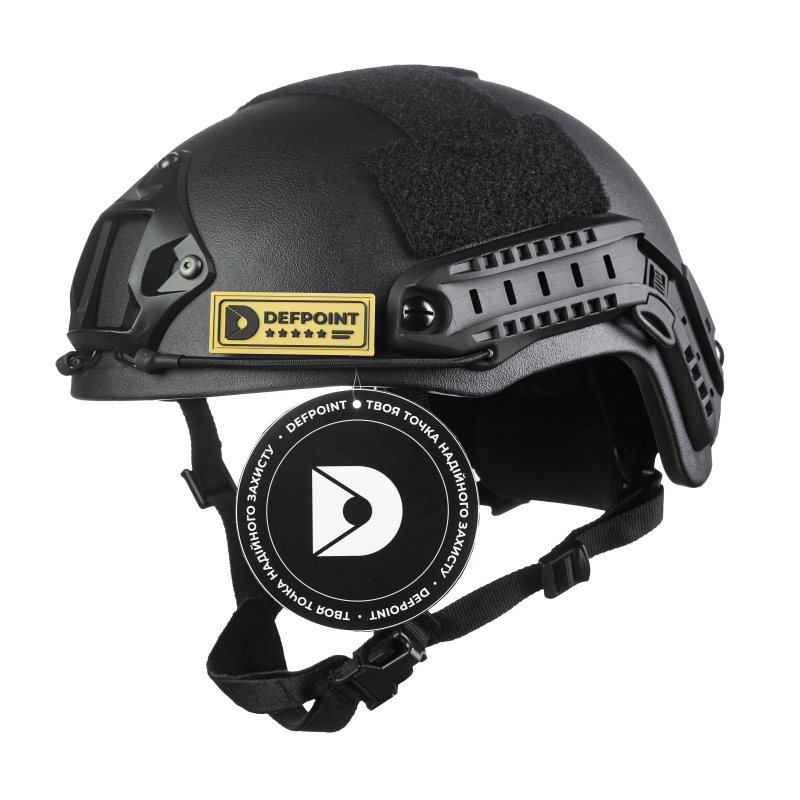
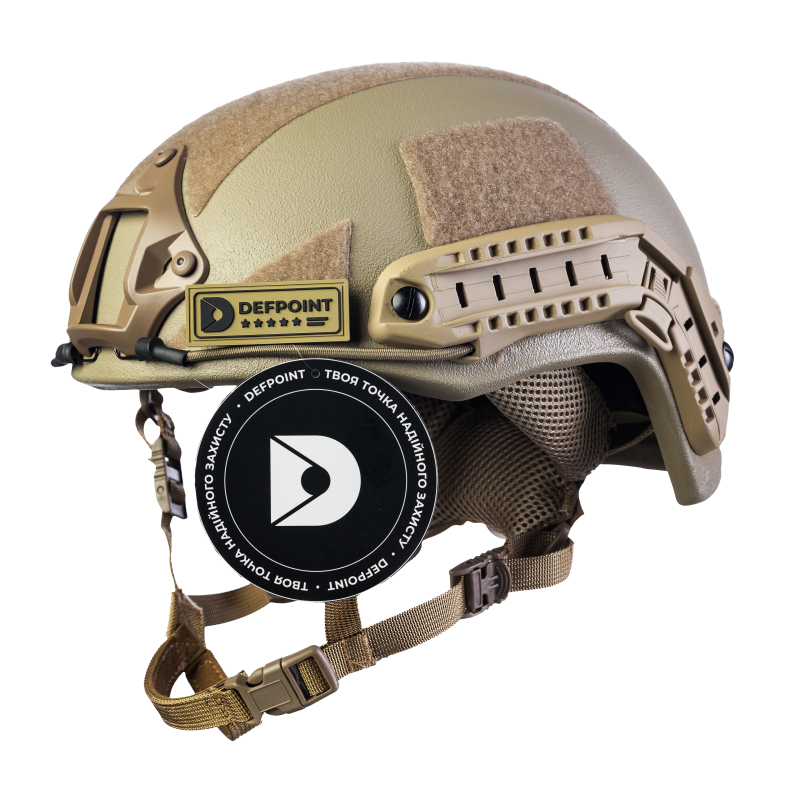
Tactical helmet: reliable protection and modern design
The tactical helmet has become an integral part of the armour not only because of its functionality, but also because of the possibilities of integration with other technical equipment. Modern models are often equipped with mounts for headlamps, night vision, cameras, and special communication systems. This allows soldiers to stay in touch with the team, effectively navigate in the dark and record important information during combat operations.
Another important aspect is the comfort of long-term wear. The developers pay attention to ergonomics, ventilation, as well as adjusting the size and pressure of the helmet on the head. Additional soft inserts, water-repellent materials, and a balanced weight provide the necessary comfort even during intense exertion.
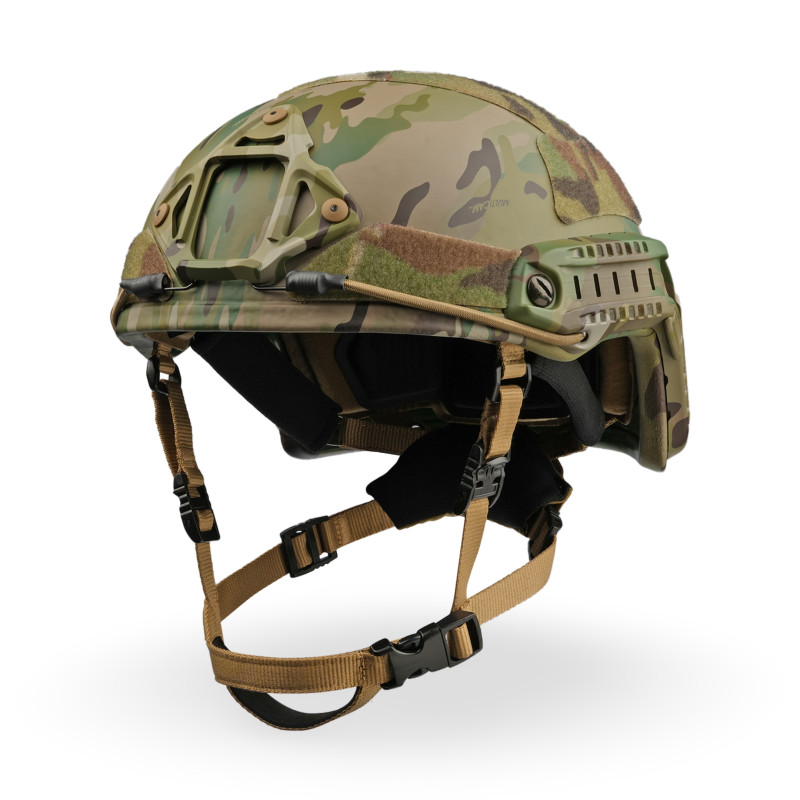
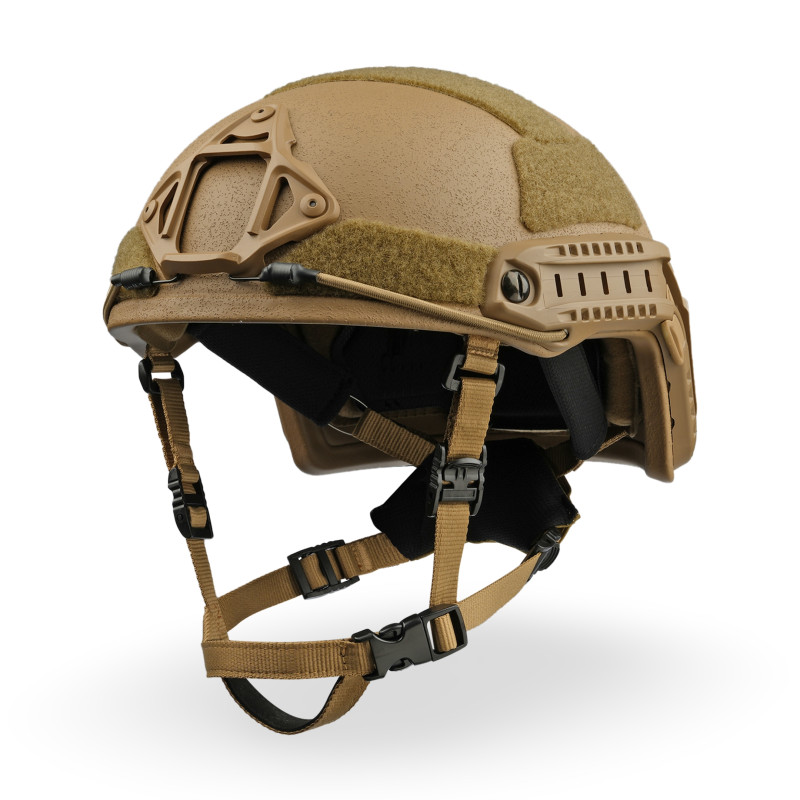
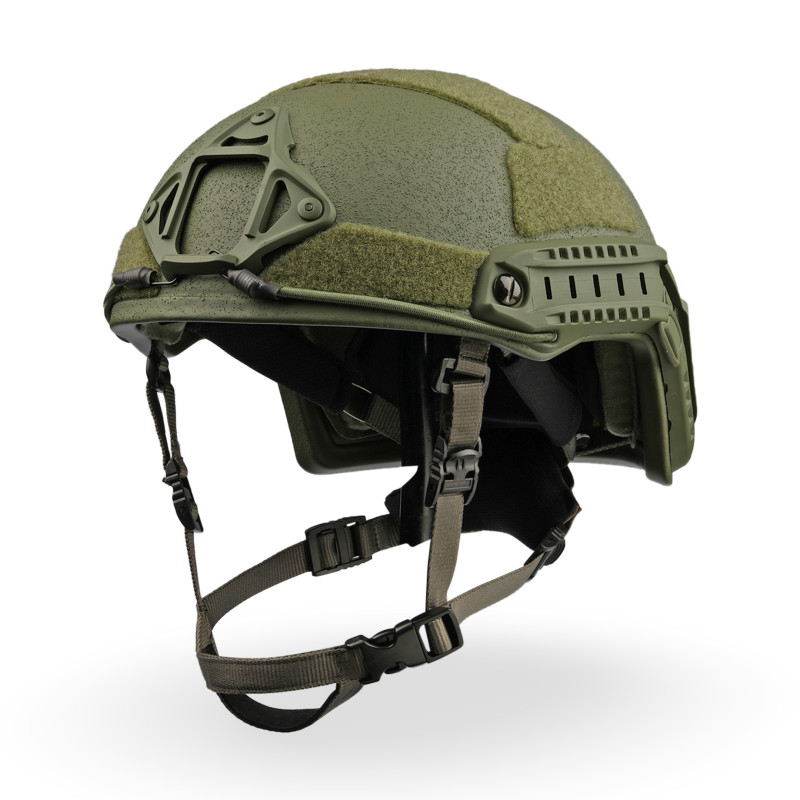
The colours and patterns on the helmets may vary depending on the purpose and terrain where it will be used. For example, camouflage patterns are used for operations in the forest, while for urban operations, solid colours can be used to match the overall look of urban armour.
There are special modifications of tactical helmets for different types of troops. For example, there are lighter and more compact models for paratroopers, and helmets with increased resistance to moisture and corrosion for marines.
Protection against ballistic threats remains a priority. The use of composite materials, such as reinforced Kevlar or high-density polyethylene, provides protection against bullets and shrapnel while maintaining lightweight construction.
Thanks to the development of technology, modern tactical helmets not only ensure safety, but also adapt to the needs and conditions of the user, increasing efficiency.
Buying a tactical helmet: a guide for buyers
Buying a tactical helmet really requires careful selection and understanding of the key aspects that guarantee quality and safety. Here are some tips to help you make the right choice:
- Determine the purpose of use: your choice depends on whether you need a helmet for professional military use, police tasks, tactical training, or for amateur gaming. Helmets for real-world use will have higher standards of protection and durability.
- Ballistic protection level: rate the ballistic protection class of the helmet. Military and security personnel require helmets that provide a higher level of protection against bullets and shrapnel.
- Materials: Modern tactical helmets are made of different materials, such as high-density polyethylene, aramid fibres (e.g. Kevlar) or composite materials. Each material has its own advantages and features.
- Comfort and ergonomics: make sure the helmet is comfortable for long periods of time. Adjustable straps, padded inserts, ventilation systems are all important for comfort.
- Additional options: check for attachments for accessories such as headphones, lights, video cameras. This is especially important for special operations.
- Manufacturer's reputation and reviews: research the manufacturers and their reputation. Read reviews from other users to understand the reliability and quality of the product.
- Avoiding fakes: buy helmets from trusted stores or directly from the manufacturer. Fakes may look just as perfect, but they do not provide the proper level of protection.
- Price: it may vary depending on the quality and characteristics of the helmet. However, remember that a higher price does not always guarantee better quality.
With these factors in mind, you should be able to find the tactical helmet that best suits your needs and provides the optimum level of protection and comfort.
Tactical helmets: model comparison and overview of features
The variety of tactical helmet models allows everyone to find the most suitable option. For example, there are models designed specifically for the military, police, and special services. Each of these helmets has its own characteristics that take into account the specifics of use. When choosing a tactical helmet, you should consider the following main parameters
- level of protection (against bullets, impacts);
- material of manufacture (polymers, metals, composites);
- shape and size;
- availability of additional options (mounts for headphones, lights, video cameras).
It is also important to consider such a parameter as the weight of the helmet. It should not be too heavy so as not to put additional strain on the soldier's neck. At the same time, the weight of the helmet should be optimally distributed to ensure comfort when worn.
In addition to weight, the ergonomics of the helmet are also of great importance. A well-designed helmet should easily adapt to the shape of the head, not restrict the view and not cause discomfort during prolonged use. For example, some helmets are equipped with special padding inside for added comfort and a better fit.
Another important aspect is the ventilation system. Adequate ventilation prevents overheating and maintains a comfortable temperature inside the helmet, which is critical during prolonged operations in hot climates. Additionally, some tactical helmets have integrated communication systems that allow you to connect radios or other communication devices directly to the helmet.
You should also pay attention to the colour and design of the helmet. Depending on the mission, you may need a helmet of a certain colour or with a camouflage coating. This is not only an aesthetic aspect, but also an important element of tactics and camouflage.
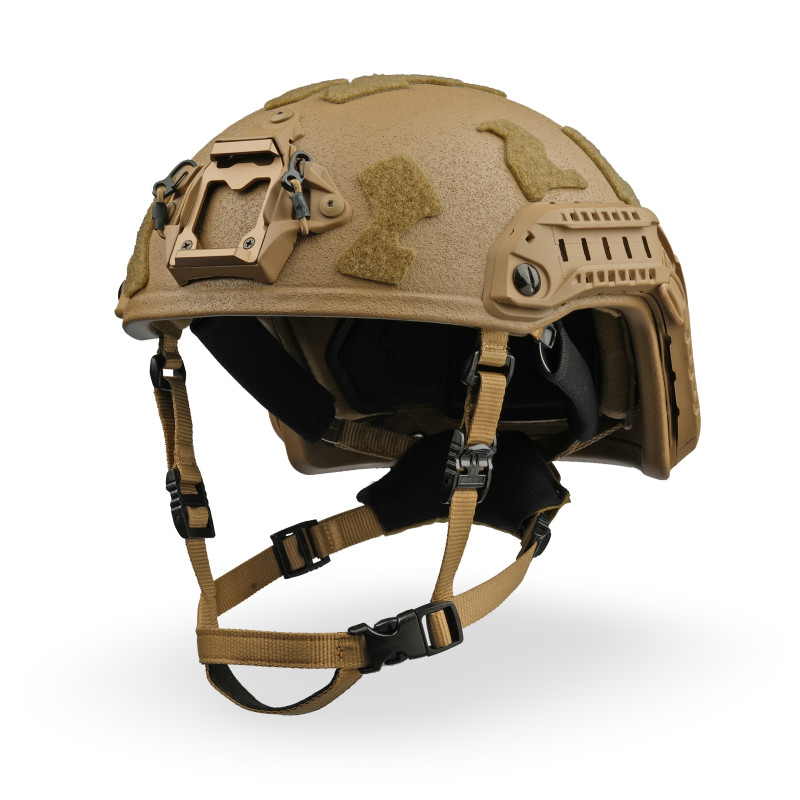
It is also worth noting the possibility of integration with other equipment. Modern tactical helmets are often equipped with rails and mounts that allow you to mount a variety of additional equipment, such as night sights, protective masks, and headsets for communication. This makes the helmet a versatile piece of protective equipment that can be adjusted to specific tasks and conditions of use.
Another important element is the ability to quickly remove the helmet in an emergency. For example, some models have special quick-release systems that allow you to quickly remove the helmet without unnecessary movement. This can be vital in the event of a medical evacuation or when you need to quickly adapt to changing conditions.
In conclusion, when choosing a tactical helmet, you should pay attention to its compliance with international safety and quality standards. Certification ensures that the helmet meets certain protection and durability criteria. So, when choosing a helmet, you need to carefully evaluate all of its characteristics, taking into account your specific needs and conditions of use.
Tactical helmets: innovations in police and military equipment
Modern tactical helmets really impress with their innovations and improvements that significantly expand their functionality and improve user comfort. Here are some aspects to consider:
- Innovative materials. The latest tactical helmets are made of impact-resistant yet lightweight materials that provide a high level of ballistic protection. Materials such as ultra-high molecular weight polyethylene or advanced aramid reduce the weight of the helmet without compromising its protective properties.
- Integration with technology. Modern helmets are often equipped with mounts for radios, night vision systems, cameras, GPS and other devices. This expands the helmet's functionality, allowing soldiers to better adapt to different combat conditions.
- Individualisation. A large number of personalisation options, including a choice of colour, shape, size and additional accessories, make each helmet unique. This allows each user to have a helmet that best suits their needs and operating conditions.
- Comfort and ergonomics. Special attention is paid to wearing comfort. Modern technologies provide optimal ventilation, weight distribution and reduced neck strain, which is important for prolonged wear.
- The highest standard of safety. Thanks to these innovations, modern tactical helmets offer a significantly higher level of protection and reliability.
- Modern design. Last but not least, manufacturers pay attention to aesthetics and design, ensuring a modern and professional look.
Frequently asked questions
What is a tactical helmet?
A tactical helmet is a protective headgear designed to ensure safety during combat operations. A tactical helmet protects the head from impacts, debris and bullets.
What is a tactical helmet for?
A tactical helmet is used to protect the head during combat operations and other dangerous situations. A tactical helmet provides reliable protection and reduces the risk of injury.
What are the types of military helmets?
There are different types of military helmets, including ballistic, impact and combination helmets. A tactical helmet provides protection based on specific needs.
What kind of helmet does the Armed Forces use?
The Armed Forces of Ukraine use different types of helmets, including ballistic and impact resistant models. The tactical helmet used by the Armed Forces of Ukraine meets high standards of protection.
Which helmet is the most durable?
The most durable helmet is a ballistic helmet, which provides the highest level of protection against bullets and fragments. A tactical helmet with a high level of protection guarantees maximum safety.


